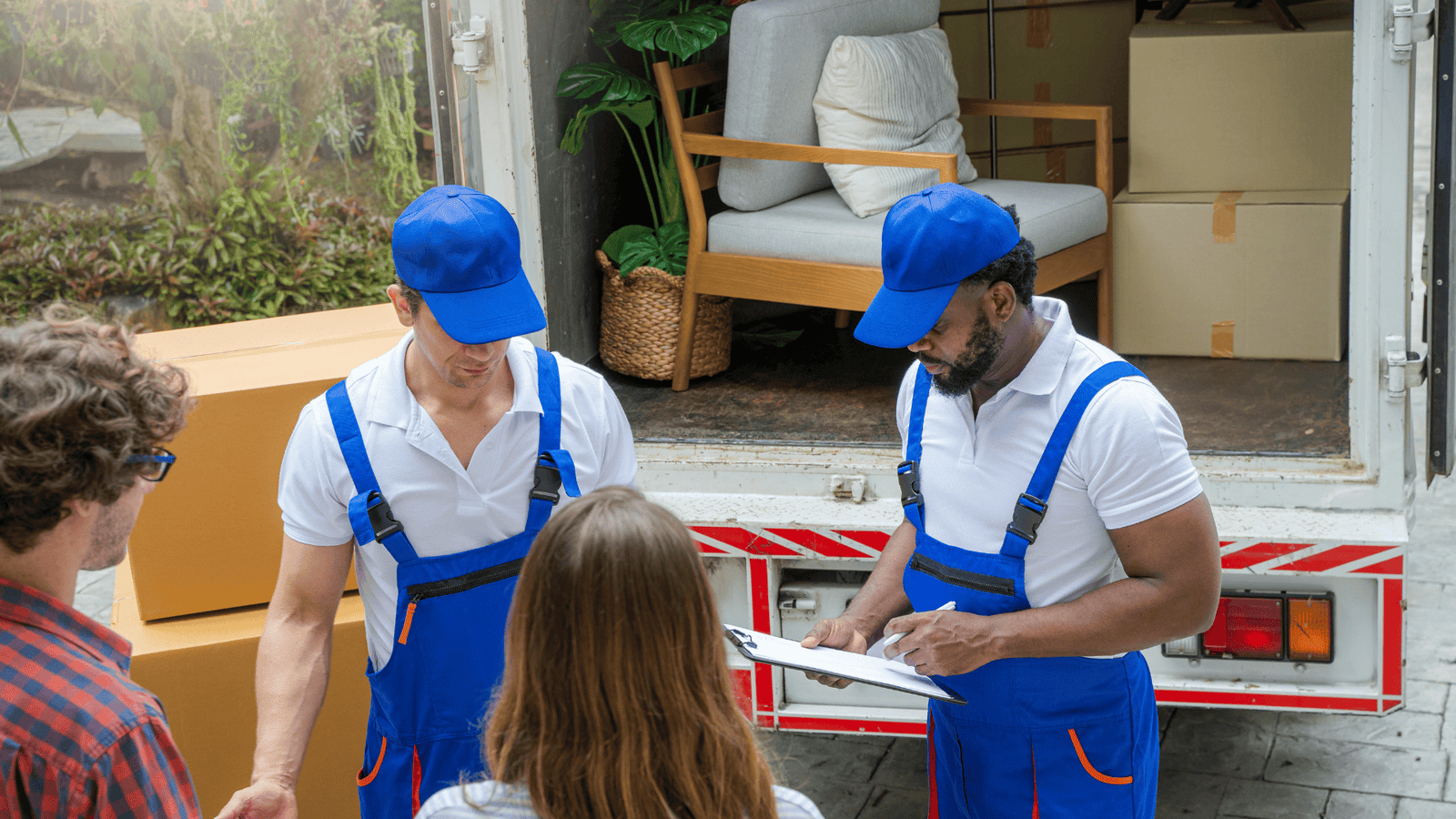
A move becomes noticeably different when you realize the goal isn’t to take everything with you.
Perhaps you’re moving from a family home into a condo. Maybe the children have moved out, you’re relocating closer to family, or you’re simply ready for a home that requires less maintenance. Whatever the reason, downsizing can make the transition easier—but deciding what to bring with you can be surprisingly difficult.
A kitchen cabinet may hold dishes you haven’t used in years. The basement may contain boxes you haven’t opened since your last move. And that spare bedroom may be full of furniture that made perfect sense when you had more space but won’t fit into your next home.
Downsizing isn’t about getting rid of everything. It’s about making deliberate choices before moving day so you don’t spend time, money, and energy transporting belongings you no longer need.
This guide explains how to downsize thoughtfully, what to do with unwanted items, how to approach sentimental belongings, and how professional moving support can make the final transition easier.
Table of Contents
ToggleWhy Should You Downsize Before a Big Move?
The simplest reason is that moving fewer belongings usually means a simpler move.
Every item you keep has to be packed, carried, transported, and eventually unpacked. When you’re moving into a smaller property, bringing everything from your previous home can also create a second problem: finding somewhere to put it.
Downsizing before packing lets you address that problem before the moving truck arrives.
There can also be a financial benefit. A smaller volume of belongings may require fewer boxes, less packing material and less time for movers to load and unload everything.
The emotional benefit can be just as significant. A new home is easier to organize when you’re not surrounded by belongings you already know you don’t use.
For people considering a smaller home later in life, downsizing can also form part of broader housing planning. Government guidance for older Canadians specifically encourages people to consider whether their current home will continue to meet their needs and whether reducing their belongings or moving to a smaller home could be appropriate.
How Do You Decide What to Keep, Donate, Sell or Discard?
The biggest mistake is trying to make every decision at once. Instead, give yourself a simple system with four categories: keep, sell, donate and discard.
Keep what serves your next home.
Start with the practical question: Will I use this in my new home?
Consider the available space, your lifestyle and how often you actually use the item. A large dining set may have sentimental value, but if your new home has room for a smaller table, keeping the entire set may not be practical.
Sell items that still have meaningful value.
Furniture, appliances, tools and electronics in good condition may be worth selling before the move.
Start early rather than waiting until moving week. Give yourself enough time to price items fairly, arrange pickups and decide what to do if something doesn’t sell.
Donate useful belongings
Clothing, books, kitchenware and household goods that you no longer need may still be useful to someone else.
Donating also gives you a clear deadline: once the items leave your home, they no longer need to be considered during packing.
Discard what is genuinely unusable.
Broken, damaged or incomplete items shouldn’t automatically make the journey to your new home.
However, check local disposal and recycling requirements before putting everything in the rubbish. Some household materials require specific handling.
What Is the Best Way to Downsize Your Belongings Room by Room?
If you’re wondering how to downsize your belongings, avoid walking randomly from room to room. Work systematically so you can see progress.
1. Start with storage areas
Basements, garages, attics and storage rooms often contain items that haven’t been used for years.
These spaces are useful starting points because you’re less likely to find everyday essentials there. Work through one shelf, cupboard or box at a time instead of pulling everything into the middle of the room.
2. Move to the kitchen
Kitchens are often full of duplicates.
Look for:
- – Multiple sets of serving dishes.
- – Appliances you rarely use.
- – Excess mugs and glasses.
- – Duplicate cooking utensils.
- – Food-storage containers without matching lids.
Keep the items that fit your actual cooking habits rather than the lifestyle you imagine you might have someday.
3. Evaluate furniture based on the new floor plan
Measure the rooms in your new property before deciding what furniture to move. A large sectional, oversized cabinet, or extra bedroom set may have worked perfectly in your current home but may be difficult to place in a smaller layout. Creating a simple floor plan can help you make objective decisions.
4. Finish with personal storage
Once the obvious areas are complete, tackle photographs, paperwork, memorabilia and other personal belongings. These often take longer because the decision isn’t simply practical.
How Should You Handle Sentimental and Valuable Items?
Downsizing becomes emotional when belongings represent people, places, or important moments.
Instead of asking yourself whether something has “enough value” to keep, consider whether the memory can be preserved in another way.
For example, you could photograph a large collection before giving it away, select a few meaningful pieces from a larger set, or pass treasured belongings to family members who genuinely want them.
Be especially careful with documents, jewellery, heirlooms and irreplaceable photographs. These should be separated from ordinary household items and kept somewhere secure during the move.
Don’t rush sentimental decisions simply because your moving date is approaching. If you’re uncertain about something genuinely meaningful, place it in a temporary “decide later” category and return to it after the practical downsizing is complete.
How Can Downsizing Reduce Your Moving Costs?
The relationship between downsizing and moving costs is straightforward: moving less generally means less work.
A smaller shipment may reduce the number of cartons and the amount of labour required. It can also make loading and unloading more efficient.
There’s another advantage that’s easy to overlook. Downsizing can reduce your future storage costs.
Paying to store belongings you already know you don’t need simply delays the decision. If an item hasn’t been used for years, moving it into storage may not solve the underlying problem.
When comparing moving services, ask whether the estimate reflects the actual amount you’re planning to transport. Give the mover an accurate inventory so the quote reflects realistic requirements.
It’s recommended to create a household inventory before obtaining a quote, helping the mover understand the volume and special-handling requirements involved.
What Should You Do With Items You Don’t Take?
Downsizing works best when you create an exit plan for unwanted belongings.
If you’re selling furniture or appliances, schedule pickups before moving week. For donations, check whether the organization accepts large items and whether it offers collection services.
Family members may also want particular possessions, but avoid turning your downsizing project into simply moving belongings from your home into someone else’s garage.
Be realistic about what others actually want.
For paperwork and personal records, avoid throwing sensitive documents into ordinary recycling without first checking whether they should be securely shredded.
A clear plan means your old home becomes progressively emptier as your moving date approaches, rather than becoming a last-minute sorting project.
How Can Professional Movers Make a Downsized Move Easier?
Downsizing removes much of the unnecessary volume, but the belongings you keep may still include large furniture, fragile possessions, and awkward-to-handle items.
Professional movers can take over the physical side of the relocation while you focus on finalizing your new home.
Experienced household moving companies can help with loading, transportation and unloading, while additional packing support can be useful when fragile or valuable items require extra protection.
For people relocating to another community, relocation moving companies can also handle the logistics of transporting the belongings you’ve carefully selected for the next stage of your life.
The key is to tell the moving team what you’re actually taking. A detailed inventory makes it easier to plan the truck, crew, and handling requirements.
Why Help Me Move Is a Practical Choice for Your Next Relocation
Once you’ve done the hard work of deciding what stays and what goes, the next step is getting your carefully selected belongings to your new home safely.
Help Me Move serves Greater Victoria and Nanaimo, providing residential moving, packing, and secure transportation services. Its team says it has completed more than 1,000 moves and offers tailored moving plans rather than treating every relocation the same way.
For homeowners downsizing, that flexibility can be particularly useful. You may need full packing assistance, help with selected fragile items, or simply a crew to handle the heavier furniture you’ve decided to keep.
The company also promotes transparent hourly pricing, with customers paying for the time spent in motion rather than dealing with hidden moving charges.
Help Me Move is a BBB Accredited Business, has been recognized as the Canadian Choice Award 2026 winner for Best Moving Company in Victoria, and received the Gold award in the CommunityVotes Victoria 2025 Moving Services category.
For homeowners comparing the best moving companies in Victoria, BC, those credentials are useful points to consider alongside reviews, pricing, services and communication.
If you’re looking at moving companies, the most suitable option should be one that understands what your particular move requires—not simply how many boxes you have.
Ready to leave the excess behind and make your next move simpler? Contact Help Me Move for a tailored estimate and let the team handle the heavy lifting while you focus on settling into the space you’ve chosen.
The Bottom Line
Downsizing before a big move is ultimately about making room for what matters.
Start early, work room by room, and make practical decisions before packing begins. Sell or donate useful items, dispose of what cannot be used, and give yourself enough time to handle sentimental belongings without pressure.
Most importantly, don’t measure a successful downsizing project by how much you throw away. Measure it by how confidently you can walk into your new home knowing that the things around you are useful, meaningful, or genuinely wanted.
Once you’ve decided what deserves to make the journey, professional moving companies can help make that smaller, more manageable household move smoother.
If you’re ready to downsize and relocate, Help Me Move can handle the practical side of getting your belongings from your current home to the next one. Request an estimate today and make your move about the new beginning—not everything you decided to leave behind.
FAQs
Start at least four to six weeks before moving day, or earlier if you have a large household. Beginning with storage areas gives you time to make decisions without rushing.
Consider whether each item is useful, meaningful, or suitable for the available space in your new home. If you haven’t used something for years and have no realistic plan to use it, it may be worth selling, donating or discarding.
It can reduce the amount of packing, handling, and transportation required. The actual savings depend on the size of your move and how the moving company calculates its charges.
Sell items that have enough value to justify the time and effort, and donate useful belongings you no longer need. Arrange pickups before moving week so unwanted items don’t interfere with the relocation.
Yes. Movers can handle packing, loading, transporting, and unloading the belongings you’ve chosen to keep. Some companies can also assist with fragile items and furniture setup.