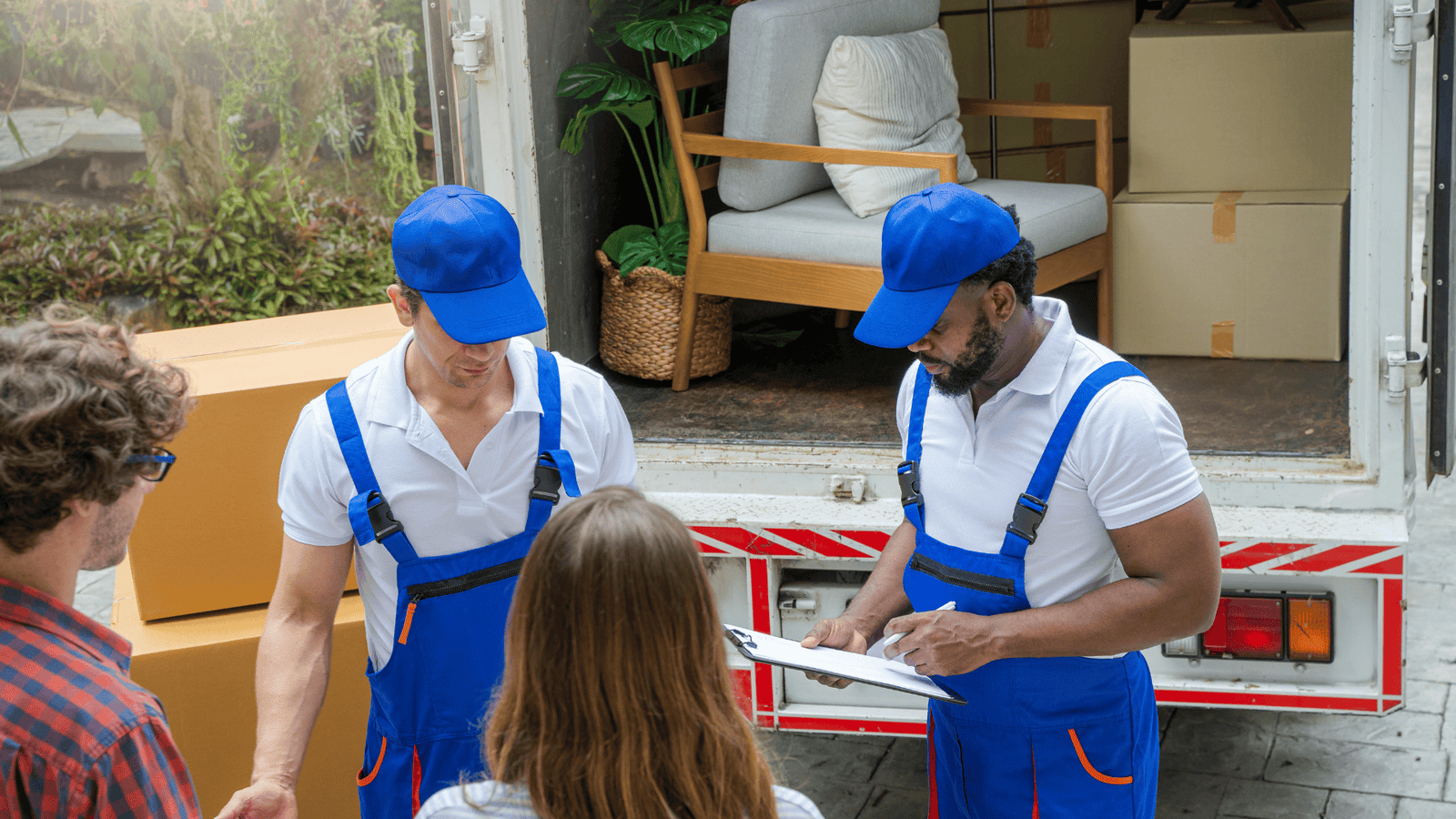
An office move often starts with excitement—a larger workspace, a better location, or room for business growth. But once desks need dismantling, computers need to be disconnected, and employees start asking where everything is going, the reality of the move sets in quickly.
Unlike residential moves, office relocations have very little room for disruption. Delays can affect productivity, client communication, and daily operations. That’s why businesses across Victoria rely on experienced commercial movers in Victoria to manage the process professionally from start to finish.
A successful office relocation is not simply about moving furniture from one address to another. It involves planning, coordination, packing systems, equipment protection, scheduling, and careful setup to ensure the business is operational as quickly as possible.
This guide explains how professional office relocation services work, what businesses should expect during the process, and why choosing the right movers can make a significant difference in keeping operations running smoothly.
Table of Contents
ToggleWhy Office Relocations Require a Different Approach
Residential moving and office relocation may appear similar on the surface, but they operate very differently behind the scenes.
Office moves involve:
- – Technology systems and sensitive electronics
- – Employee workstations
- – Confidential files and documents
- – Commercial furniture and equipment
- – Strict operational timelines
A missed detail during a business move can interrupt workflows, delay communication, or impact customer service. This is why experienced commercial moving companies in Victoria approach office relocations with far more structure and planning than standard household moves.
Commercial relocations are less about simply transporting items and more about maintaining business continuity throughout the transition.
What Services Are Included in Commercial Office Relocations?
Professional office relocation services usually cover far more than just transportation. Reliable movers provide support throughout the move to minimize stress for business owners and staff.
- – Pre-Move Planning
Before the move begins, movers assess the office layout, equipment volume, access points, and scheduling requirements. This planning stage helps avoid delays and logistical issues later.
- – Packing and Labelling
Professional movers organize office assets carefully using systematic labelling and protective packing methods.
- – Furniture Disassembly and Reassembly
Large desks, boardroom tables, cubicles, and shelving units are dismantled safely before transport and reassembled at the new location.
- – Loading and Transportation
Commercial moving teams use proper equipment and loading strategies designed specifically for office assets and electronics.
- – Post-Move Setup
Many movers assist with furniture placement and workspace setup to help businesses resume operations faster.
These full-service solutions are why many companies choose experienced Business moving companies in Victoria instead of attempting office relocations internally.
How Professional Movers Plan an Office Move
Planning is one of the most important stages of any commercial relocation. A structured plan helps reduce downtime, confusion, and unnecessary disruptions.
- – Creating a Moving Timeline
Professional movers build a detailed timeline outlining:
- – Packing schedules
- – Department relocation order
- – Equipment handling procedures
- – Transportation timing
- – Setup coordination
This timeline ensures every stage of the move happens in a logical sequence.
- – Assigning Moving Coordinators
Reliable moving teams often assign a primary coordinator to oversee communication between movers and the business. This helps eliminate confusion and ensures responsibilities are clearly managed.
- – Assessing Building Access
Many office buildings in Victoria have loading restrictions, elevator booking requirements, or designated moving hours. Experienced movers prepare for these details in advance.
This level of organization is what separates professional Commercial moving services from rushed or poorly coordinated moves.
The Packing Process for Office Equipment and Furniture
Packing is one of the most delicate aspects of commercial relocation. Offices contain a mix of fragile electronics, confidential materials, and expensive furniture that require specialized handling.
- – Protecting Technology and Electronics
Computers, monitors, printers, and networking equipment are packed using protective materials designed to absorb vibration during transportation.
- – Labelling Systems for Organization
Professional movers label boxes and furniture by department or workstation. This organized approach makes unpacking and setting up much more efficient.
- – Handling Office Furniture Safely
Experienced Office furniture movers know how to disassemble, protect, and transport desks, filing cabinets, and modular workstations without causing structural damage.
- – Securing Confidential Documents
Sensitive files are carefully packed and kept organized to maintain security and accessibility during the move.
The packing process is not just about protection—it’s also about helping businesses return to normal operations quickly after relocation.
How Commercial Movers Reduce Business Downtime
Downtime is one of the biggest concerns during office moves. Every hour spent offline can impact productivity and customer service.
Professional movers reduce downtime by:
- – Scheduling moves during evenings or weekends
- – Moving departments in phases when necessary
- – Preparing equipment placement plans in advance
- – Coordinating the setup immediately after unloading
Efficient commercial moving strategies focus on maintaining operational continuity rather than simply completing the move quickly.
Experienced movers understand that businesses need to reopen efficiently, not just relocate successfully.
What Happens on Moving Day?
On moving day, preparation becomes execution. Professional movers follow structured workflows to ensure the relocation stays on schedule.
- – Arrival and Walkthrough: The moving crew begins with a walkthrough to confirm priorities, fragile items, and loading procedures.
- – Protecting Building Areas: Entryways, elevators, and flooring are protected to prevent damage during transportation.
- – Systematic Loading: Boxes and furniture are loaded strategically based on weight, fragility, and unloading order. This reduces movement during transit and speeds up setup later.
- – Transportation Coordination: Movers monitor timing closely to avoid unnecessary delays and maintain the planned schedule.
Experienced Office movers rely on preparation and teamwork rather than rushing through the process.
How Office Setup Works After Relocation
The final stage of an office move is often overlooked, yet it has a major impact on how quickly employees can resume work.
- – Furniture Placement: Movers position desks, workstations, and furniture according to the floor plan prepared in advance of the move.
- – Equipment Delivery: Technology and office equipment are placed carefully in their designated locations.
- – Unpacking and Workspace Organization: Some movers assist with unpacking key departments or setting up essential workspaces first.
A properly managed setup process allows businesses to return to productivity faster and with far less disruption.
Common Mistakes Businesses Make During Office Moves
Even well-organized businesses can encounter problems during relocations if planning is rushed.
- – Waiting Too Long to Book Movers: Commercial movers often book up quickly, especially during busy seasons.
- – Underestimating the Complexity of Packing: Office equipment requires more preparation than many businesses expect.
- – Lack of Internal Communication: Employees should understand timelines, responsibilities, and workspace expectations before moving day.
- – Choosing Movers Based Only on Price: The lowest quote may not provide the structure, experience, or reliability needed for commercial relocation.
Avoiding these mistakes helps businesses maintain smoother transitions.
Why Help Me Move Is Trusted for Commercial Moving in Victoria
Businesses across Victoria choose Help Me Move for our organized approach, transparent pricing, and local expertise.
- – BBB Accredited Business
Trust and accountability matter during commercial relocations. As a BBB Accredited business, we prioritize professionalism and dependable service.
- – Canadian Choice Award 2026 Winner
Recognition as the Canadian Choice Award 2026 winner for Best Moving Company in Victoria reflects our commitment to quality moving services.
- – Transparent Pricing Without Hidden Fees
Our flat hourly rates include fuel and consumables, helping businesses budget confidently without surprise charges.
- – Experienced Commercial Moving Team
We understand the demands of office relocations and work efficiently to minimize downtime while carefully protecting equipment and furniture.
From small office moves to larger commercial relocations, our team focuses on making the process organized, efficient, and stress-free.
The Bottom Line
Office relocations involve far more than moving desks and boxes. A successful commercial move requires careful planning, professional packing, efficient coordination, and a structured setup to minimize disruption to daily operations.
Experienced commercial moving companies in Victoria help businesses navigate these challenges by managing every stage of the process professionally and efficiently.
If your business is preparing for an upcoming office relocation, working with a trusted moving team can make the transition significantly smoother.
Connect with Help Me Move today and let our experienced commercial movers handle your office relocation with professionalism, organization, and care.
FAQs
It’s best to book commercial movers at least four to six weeks before the move. This allows enough time for planning, scheduling, and coordinating building access requirements.
Yes. Most professional office movers disassemble desks, cubicles, and other large furniture before transport and reassemble them at the new location.
Many commercial movers offer evening or weekend moving schedules to help businesses minimize operational downtime during relocation.
Professional movers use protective wrapping, reinforced boxes, and secure loading techniques to reduce vibration and prevent damage during transportation.
Businesses should organize files, back up important data, communicate with employees, and confirm building access requirements before the move begins.