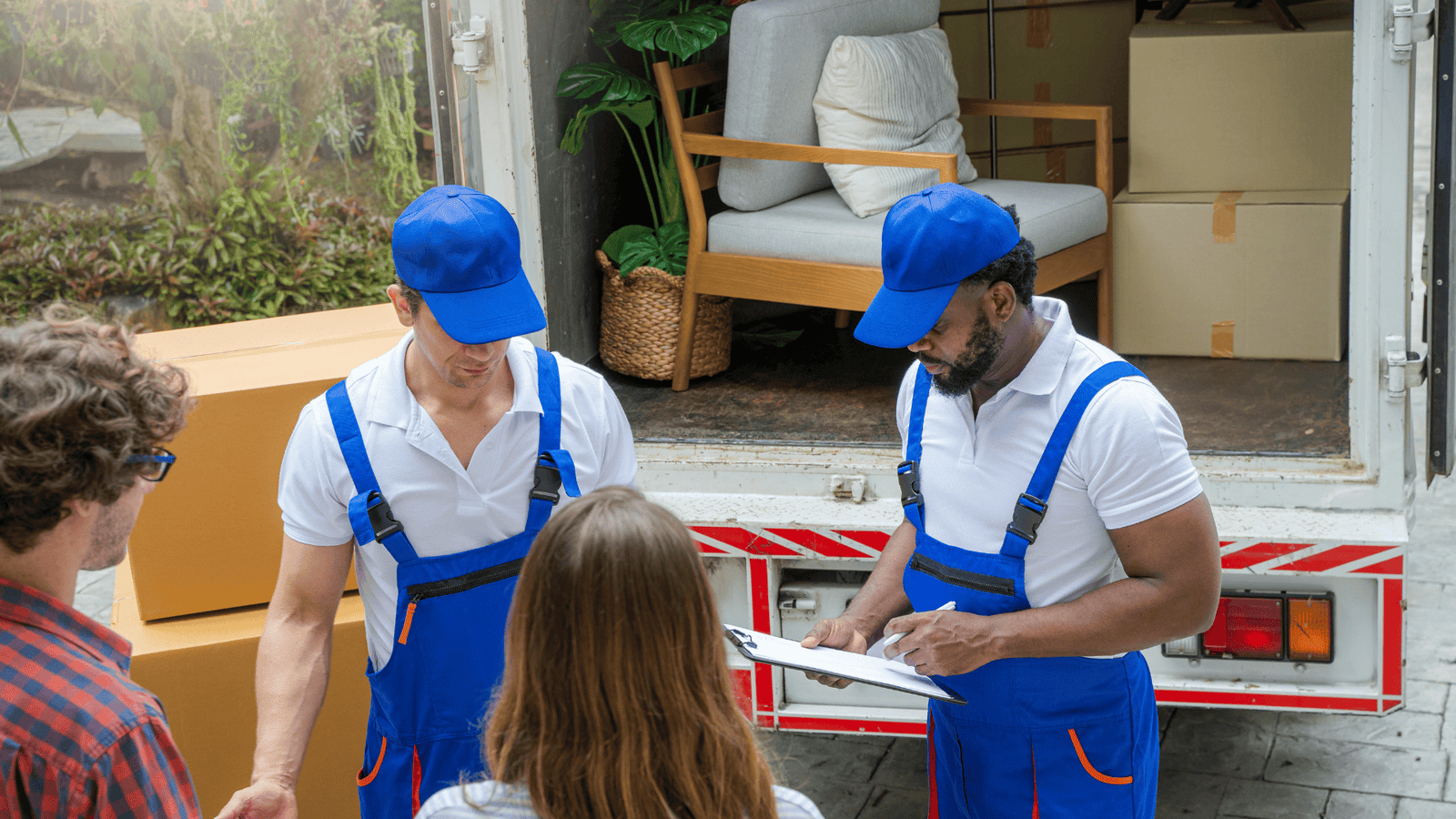
Victoria has a reputation for mild weather, but that doesn’t mean every moving day will be equally easy. A winter relocation can mean wet walkways, damp cardboard and muddy shoes, while a summer move brings longer daylight, warmer temperatures and a much busier booking calendar.
For someone relocating to the region, the season can quietly influence almost every part of the move. Your choice of moving date affects availability, packing requirements, clothing, loading conditions and even how quickly you can settle into the new home.
Victoria’s climate is relatively moderate compared with many Canadian cities. That difference matters when you’re carrying furniture between a house and a moving truck.
Whether you’re planning a local move or relocating from another part of Canada, understanding Victoria’s seasonal conditions can help you choose a practical moving date and prepare accordingly.
How Does Victoria’s Weather Affect a Moving Day?
Weather does more than determine whether you’ll need an umbrella. It can affect how quickly furniture can be carried, how carefully floors need to be protected, and how much preparation is required at both properties.
Winter presents the biggest moisture concern. Rain can make exterior stairs, driveways, and walkways slippery. Wet cardboard can also become weaker, particularly when boxes are repeatedly carried between the home and truck.
Summer creates a different set of challenges. Victoria’s warmer months are generally drier, but moving demand tends to rise because families often prefer to relocate when school is out, and daylight lasts longer.
This means the “easier” season isn’t necessarily the less stressful one. Winter requires more weather protection, while summer requires more advance scheduling.
What Should You Know Before Moving in the Winter?
Moving in the winter can work perfectly well with the right preparation. Victoria’s winters are relatively mild, but the region receives substantially more rainfall during the cooler months.
- – Protect the floors before the first box leaves.
Wet shoes and muddy outdoor surfaces can quickly turn a clean home into a mess. Place absorbent mats or protective coverings near entrances and create a clear path between the main doorway and the moving truck.
This is particularly useful when you’re moving from a property with hardwood, carpet, or newly finished flooring. - – Use stronger protection for boxes
Rain doesn’t necessarily mean your belongings will get wet, but it increases the risk of getting them wet during repeated trips between the house and the truck.
Use sturdy cartons, properly sealed tape, and plastic protection where appropriate. Avoid leaving packed boxes outside while waiting for the truck to be loaded. - – Keep an indoor essentials area
Set aside one dry area for items you’ll need immediately after arriving. Your essentials should include toiletries, chargers, medications, documents, a change of clothes, and basic kitchen supplies.
This prevents you from opening dozens of damp or tightly packed boxes while you’re trying to settle in. - – Give fragile belongings extra attention
Glassware, artwork, electronics, and other delicate possessions should be packed securely rather than relying on the weather to cooperate.
If you’re hiring professional movers, ask how they protect fragile belongings during loading and transportation.
How Can You Make a Summer Move Easier?
Summer is often the preferred season for relocation, but convenience comes with competition. If you’re looking at moving companies in Victoria, don’t wait until the last minute to request availability for a July or August move.
- – Book earlier than you think
Summer schedules can become crowded, especially around weekends, month-end dates, and popular possession dates.
Booking early gives you more choice instead of forcing you to work around whatever dates remain available. - – Start the move earlier in the day
A morning start can make physical work more comfortable before temperatures rise. It can also give you more time to handle unexpected delays before evening. - – Keep water and essentials accessible
Don’t bury drinking water, snacks, sunscreen or basic first-aid supplies inside packed boxes. Keep them in a clearly marked bag that travels with you. - – Protect heat-sensitive belongings
Some household items shouldn’t spend hours sitting in a hot vehicle. Electronics, candles, certain cosmetics, medications, and plants may require additional consideration.
If you’re unsure about a particular item, ask the moving team how it should be transported.
Which Season Is Better for a Local or Long-Distance Move?
There isn’t one universally “best” season. The right choice depends on your circumstances.
For a local move, summer can be convenient because longer daylight hours provide more flexibility. However, you may face higher demand for professional movers.
Winter can provide more scheduling flexibility, but you need to allow extra time for weather-related complications.
For a long-distance relocation, timing deserves even more attention. A move involving multiple communities, ferry travel or a lengthy highway journey has more opportunities for weather or scheduling issues to affect the timeline.
People comparing long distance moving companies should therefore look beyond the advertised moving date. Ask how the company manages scheduling, transportation and communication if conditions change.
When comparing long distance movers in Victoria, also confirm whether packing, loading, transportation and unloading are included or priced separately.
How Should You Pack for Victoria’s Seasonal Conditions?
Packing should reflect where and when your belongings will travel.
- – Winter packing
Use sealed cartons and avoid exposing packed belongings to rain unnecessarily. Keep important documents and electronics with you whenever possible.
For furniture, consider protective wrapping that can prevent moisture exposure during short outdoor transfers. - – Summer packing
Don’t leave sensitive items sitting in direct sunlight. Pack electronics securely and, where appropriate, keep plants and other temperature-sensitive belongings separate. Proper preparation can also help you save money during a summer move.
Regardless of season, label boxes clearly. A box marked “kitchen—fragile” is much easier for everyone to handle correctly than an unmarked carton. And if you’re wondering, what is the first thing you should pack when moving? Start with items you rarely use, such as seasonal decor, books, and stored belongings. Leave everyday essentials until closer to moving day.
What Can You Do to Control Moving Costs During Peak Seasons?
Seasonal demand doesn’t mean you have to accept unnecessary expenses.
Start by decluttering before requesting a quote. Fewer belongings mean fewer boxes, less handling, and potentially less time required for the move.
Next, ask for a clear estimate and understand how the company charges for labour, transportation, fuel, and supplies. A low hourly rate isn’t necessarily the lowest overall cost if additional charges appear later.
If your schedule allows, consider a weekday or a date outside the busiest part of the month. Flexibility can make booking easier.
Most importantly, don’t choose a mover based solely on the cheapest advertised number. Compare what you’re actually getting for the price, and go with the best moving companies in Victoria, BC.
How Help Me Move Handles Seasonal Relocations in Victoria
At Help Me Move, we understand that Victoria’s moving conditions change with the seasons. Our approach focuses on making your relocation organized, comfortable, and predictable, whether you’re moving during a rainy winter or the busy summer.
- – We plan around your moving date and help coordinate practical schedules based on seasonal conditions.
- – We prepare for rainy weather: Our team takes extra care with wet walkways and belongings.
- – We protect your furniture: Proper handling helps reduce moisture exposure and moving-related damage.
- We manage summer demand: Early planning helps secure suitable dates during Victoria’s busiest season.
- – We streamline local moves: Our experienced crews keep loading and transportation organized.
- – We handle long-distance relocations: Our team coordinates longer journeys with careful planning.
- – We offer packing support: Professional packing helps protect belongings throughout seasonal transportation.
- – We keep pricing straightforward: Our flat hourly rate includes fuel and consumables.
- – We save you valuable time: Efficient handling helps reduce unnecessary delays during moving day.
- – We make moving less stressful: We manage the heavy work while you focus on settling in.
Whether you’re preparing for a rainy winter relocation or a summer move, we’re ready to help make the process simpler, from packing to unloading. Contact Help Me Move today to plan your next relocation in Victoria with a team that understands the local seasons.
The Bottom Line
Relocating to Victoria doesn’t require perfect weather. It requires a plan that works with the season rather than against it.
Winter moves call for moisture protection, safer walkways, and thoughtful packing. Summer relocations demand earlier booking, sensible scheduling and protection from heat. Long-distance moves require an additional layer of planning because weather can significantly affect the journey.
The smartest approach is to choose your moving date carefully, prepare your belongings for the conditions, and select a moving company that clearly explains its services and pricing.
Make Your Victoria Move Easier.
Planning a move to or within Victoria? Help Me Move provides professional local and long distance moving services tailored to your relocation needs. Contact our team for an estimate and plan your move with experienced professionals who understand the demands of moving in every season.
FAQs
Summer offers longer daylight hours and generally drier conditions, but it is also a busy period for movers. Booking early is especially important if you need a weekend or month-end moving date.
Winter moves can require additional preparation because rainfall is considerably higher than during summer. Protecting floors, boxes, and furniture from moisture can make the process much smoother.
Booking several weeks ahead is a sensible approach, particularly for weekends and month-end dates. Earlier booking gives you more flexibility if your preferred date is already in high demand.
Yes. Winter rain, road conditions, and changing weather can affect longer journeys, while summer demand can make scheduling more competitive. Discuss the expected timeline and contingency plans with your mover before booking.
Start with items you don’t use regularly, such as books, seasonal decorations and stored belongings. Keep everyday essentials separate and pack them closer to moving day so they’re readily available.